The ChatGPT-6 Rumor Mill: How AI Influencers Are Manufacturing News for Clicks
The ChatGPT-6 Rumor Mill: How AI Influencers Are Manufacturing News for Clicks
April 15, 2026
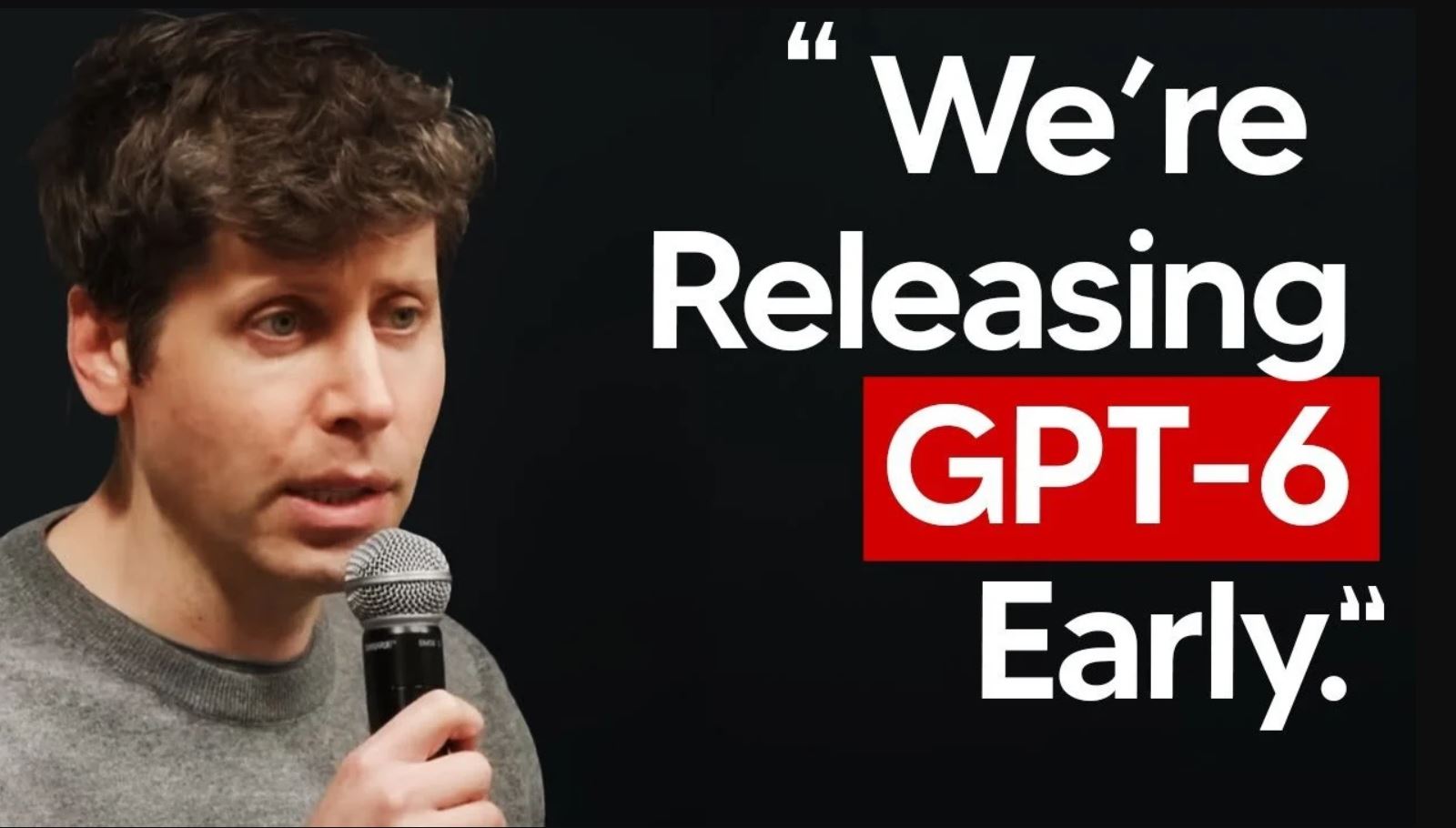
April 14 came and went. No OpenAI blog post. No Sam Altman tweet. No dramatic product launch. The “confirmed” release date that sent tech Twitter into a frenzy — complete with breathless countdown posts and speculative feature lists — turned out to be exactly what level-headed observers predicted: a fabrication built on thin air.
Welcome to the AI influencer economy, where rumors are currency and your attention is the product.
A Case Study in Manufactured Hype
Let’s rewind. Sometime around April 7, an unverified “insider leak” appeared on a minor tech blog. It claimed ChatGPT-6 would launch on April 14 alongside a “unified super-app,” deliver a 40% performance boost over GPT-5.4, and pack a 2-million-token context window. Impressive numbers. Also suspiciously round ones.
Within hours, the content machine roared to life.
AI YouTubers uploaded “GPT-6 is COMING” reaction videos. Twitter threads with tens of thousands of likes dissected features that didn’t exist. LinkedIn thought leaders posted earnest takes about “what GPT-6 means for your business.” Medium articles appeared — some written, let’s be honest, by the very AI that was allegedly being upgraded — explaining how to “prepare” for a launch that was never confirmed.
What did OpenAI actually say? Three things: pretraining for the model codenamed “Spud” finished on March 24. Sam Altman said launch was “a few weeks” away. Greg Brockman called it “two years of research” and “not an incremental improvement.” That’s it. No date. No feature list. No product page.
Everything beyond those three data points was invented.
The Rumor Industrial Complex
This isn’t an isolated incident. It’s a business model.
The AI influencer ecosystem has perfected a parasitic cycle: leak → amplify → speculate → monetize → repeat. An anonymous tip surfaces on a forum. A mid-tier tech blog picks it up with a sensationalized headline. Bigger accounts cite the blog as a “source.” YouTubers turn it into thumbnail-worthy content. Newsletter writers package it as “exclusive analysis.” By the time the claim circulates back around, it has acquired the veneer of credibility through sheer repetition.
The incentives are transparent. A YouTube video titled “GPT-6 CONFIRMED for April” will outperform “OpenAI hasn’t announced anything yet” by orders of magnitude. An X thread listing “leaked GPT-6 features” drives engagement that a sober fact-check never will. And in the attention economy, engagement translates directly to ad revenue, sponsorships, and subscriber growth.
The truth is boring. Rumors are profitable.
The Real Harm
You might think this is harmless fun — tech enthusiasts getting carried away. It isn’t.
For developers and businesses, false release dates create real planning headaches. Teams schedule sprints around launches that never materialize. Startups make strategic bets based on features that exist only in someone’s imagination. A founder reading that GPT-6 will have a 2M-token context window might delay a product launch waiting for capabilities that may never arrive in that form.
For the public, the constant stream of AI hype distorts understanding of what these systems can actually do. When every minor model update is breathlessly covered as “a game-changer that will change EVERYTHING,” people develop either unrealistic expectations or cynical dismissal — neither of which serves honest conversation about technology’s real impact.
For the AI industry itself, the rumor mill poisons the well. OpenAI, Google, Anthropic, and others are building genuinely impressive technology. But when the information ecosystem is flooded with fabrications, it becomes harder for legitimate advances to cut through the noise. The boy who cried wolf isn’t just a fable — it’s a business strategy on tech Twitter.
The Anatomy of a Fake AI Scoop
Here’s how to spot manufactured AI “news” before it wastes your time:
Round numbers are red flags. “40% improvement.” “2 million tokens.” “10x faster.” Real engineering specs are messy. Fabricated ones are neat.
Anonymous sources without corroboration. If only one outlet has the scoop and no established tech publication (TechCrunch, The Verge, The Information) can confirm it, treat it as fiction.
Impossibly specific launch dates. OpenAI’s own leadership describes launch timelines in weeks and months, not calendar dates. Anyone claiming an exact day is guessing — or inventing.
Feature lists that read like wishlists. If the “leaked” features sound like exactly what you’d want, that’s because they were written to sound that way — by someone who has no actual information.
Content that appeared suspiciously fast. If a detailed analysis of a “leak” shows up within hours of the rumor itself, the author didn’t investigate. They speculated and published.
What OpenAI Has Actually Confirmed About GPT-6
As of April 2026, here is the complete list of confirmed facts:
- A model codenamed “Spud” completed pretraining on March 24, 2026.
- Sam Altman described the launch timeline as “a few weeks” from that date.
- Greg Brockman characterized the model as representing “two years of research” and “not an incremental improvement.”
Everything else — the April 14 date, the super-app, the context window size, the performance benchmarks, the pricing — is unconfirmed. Some of it may turn out to be accidentally correct. But correct by coincidence is not the same as confirmed by evidence.
Polymarket traders give roughly 78% odds of a launch by April 30 and 95% by June 30. Those are informed guesses by people with money on the line. They are not announcements.
A Modest Proposal
To the AI content creators reading this: you have an audience that trusts you. That trust has value. Burning it for short-term engagement is a strategy with an expiration date.
Here’s an alternative: when a rumor surfaces, call it a rumor. When a leak is unverified, say so clearly — not buried in paragraph six, but in the headline. When you don’t know something, admit it. The tech audience is smarter than engagement metrics suggest. Respect them, and they’ll stick around long after the hype-chasers have moved on.
To the rest of us: the next time someone posts “GPT-6 LAUNCHING [date]!!!” with fire emojis, check whether OpenAI actually said that. Nine times out of ten, they didn’t.
The real AI revolution is impressive enough without inventing a fake one.
The author runs an AI tools and resources website and is tired of debunking the same rumors every week.
For tool-by-tool comparisons, see our AI coding listings and the comparisons section.